

Radon Gas Abatement in Lake County, IL
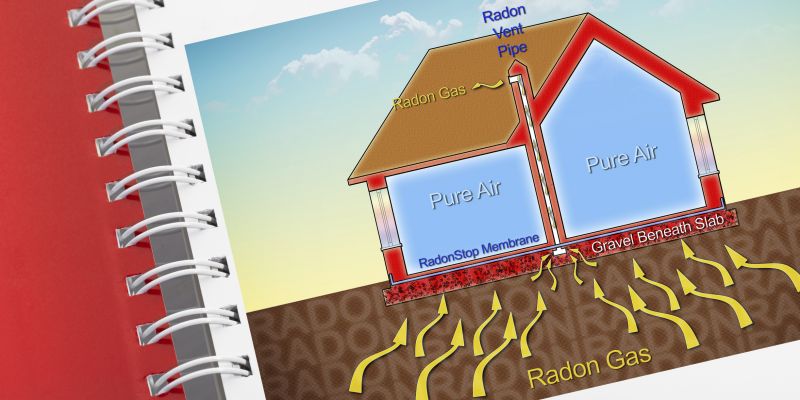
Radon gas abatement services focus on reducing elevated levels of radon, a naturally occurring radioactive gas that can accumulate inside homes and buildings. These services typically involve assessing the property to identify radon entry points and installing specialized mitigation systems, such as vent pipes and fans, to safely vent radon outdoors. Projects can range from single-family homes to multi-unit buildings, ensuring that indoor air quality meets safety standards and reducing potential health risks associated with long-term radon exposure.
Property owners interested in radon gas abatement usually want to understand the scope of the mitigation process, including how the system is installed and maintained, as well as the expected effectiveness. It’s important to consider the existing ventilation and foundation type of the property, as these factors influence the approach taken. Homeowners often seek guidance on testing methods, radon level thresholds, and how to interpret test results before proceeding with abatement solutions.
Many property owners in Lake County, IL look into Radon Gas Abatement for repairs, replacements, upgrades, and appearance-related improvements.
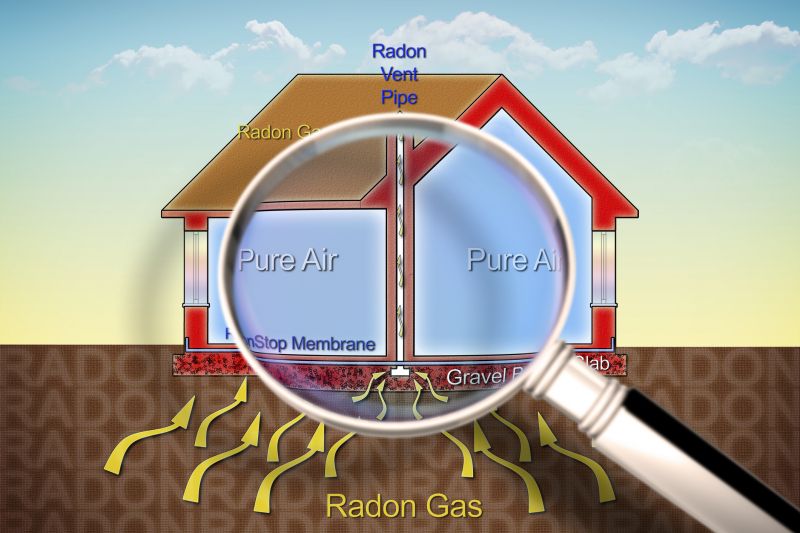
Radon Gas Risks
Understanding radon levels is essential for maintaining a safe home environment.
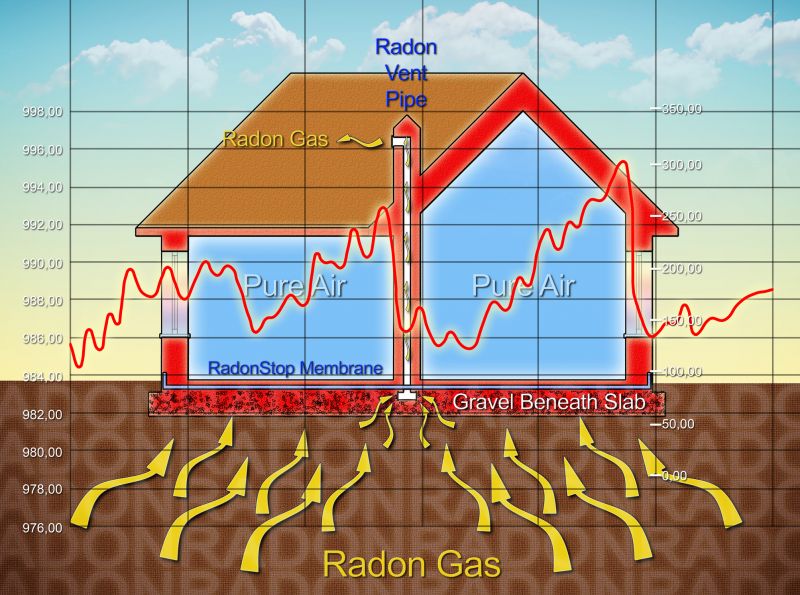
Abatement Techniques
Effective radon mitigation involves specialized systems to reduce indoor radon concentrations.
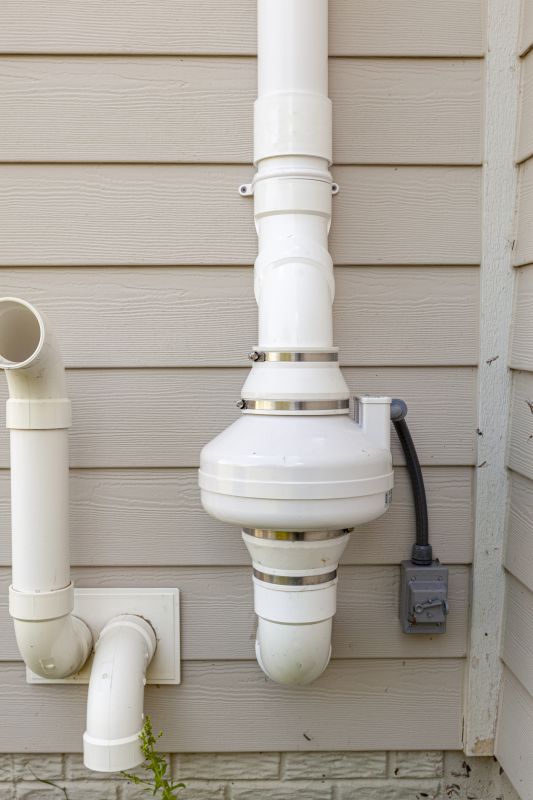
Home Inspection & Testing
Testing your property helps identify radon issues and guides appropriate abatement solutions in lake county, il.
Radon Gas Abatement in Lake County, IL

Radon gas abatement services focus on reducing elevated levels of radon, a naturally occurring radioactive gas that can accumulate inside homes and buildings. These services typically involve assessing the property to identify radon entry points and installing specialized mitigation systems, such as vent pipes and fans, to safely vent radon outdoors. Projects can range from single-family homes to multi-unit buildings, ensuring that indoor air quality meets safety standards and reducing potential health risks associated with long-term radon exposure.
Property owners interested in radon gas abatement usually want to understand the scope of the mitigation process, including how the system is installed and maintained, as well as the expected effectiveness. It’s important to consider the existing ventilation and foundation type of the property, as these factors influence the approach taken. Homeowners often seek guidance on testing methods, radon level thresholds, and how to interpret test results before proceeding with abatement solutions.
Many property owners in Lake County, IL look into Radon Gas Abatement for repairs, replacements, upgrades, and appearance-related improvements.
Common Radon Gas Abatement Jobs
Radon mitigation systems - installations to reduce indoor radon levels effectively.
Sub-slab depressurization - techniques to vent radon gas from beneath the foundation.
Sealant applications - sealing cracks and openings to prevent radon entry.
Foundation ventilation - improving airflow to lower radon concentrations indoors.
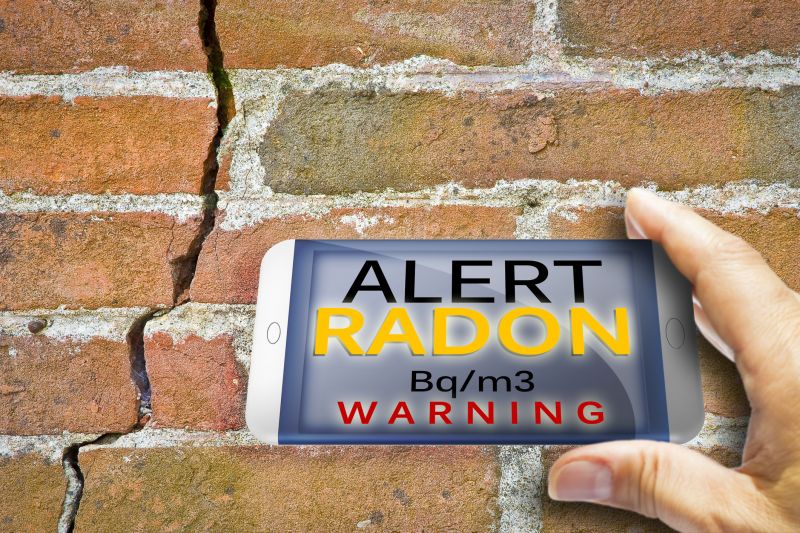
Testing and assessment - measuring radon levels to determine the need for abatement.
Radon mitigation consultation - expert guidance on the most suitable solutions for homes.
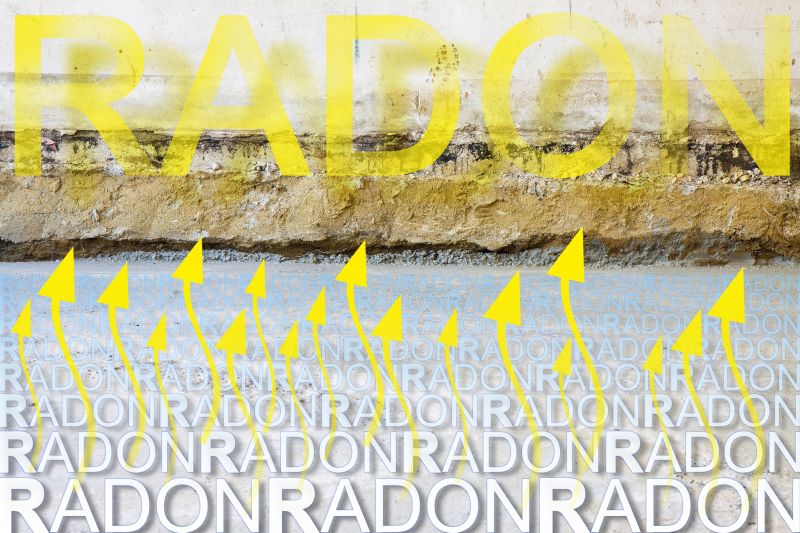
Radon Gas Abatement Questions
What is radon gas abatement? Radon gas abatement involves reducing radon levels inside a property to improve indoor air quality and safety.
When should radon testing be considered? Testing is recommended when purchasing a new home, if there are signs of high radon levels, or periodically for ongoing safety.
How does radon mitigation work? Mitigation typically uses venting systems to redirect radon away from the building and reduce indoor concentrations.
Is radon abatement suitable for all property types? Radon abatement can be applied to various property types, including homes, apartments, and commercial buildings.
Request Radon Gas Abatement in Lake County, IL
Use the quote form on this page to share the basics of your project and request more information for the type of work you need.